Spotting trouble before it spreads
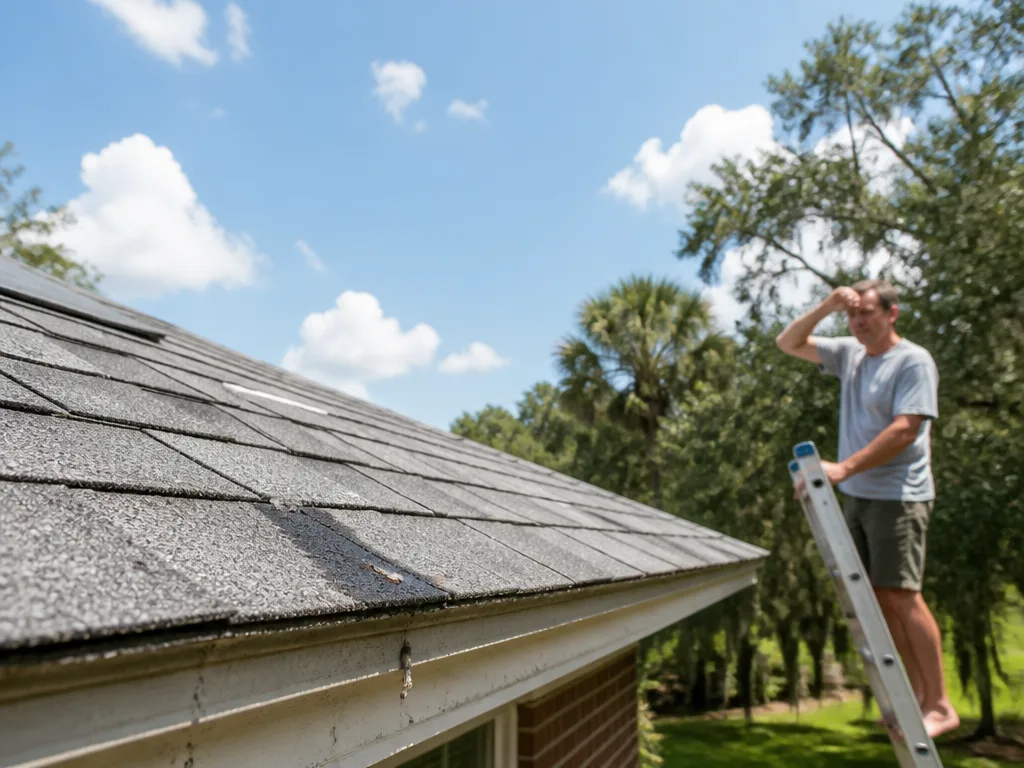
Roof problems don’t always announce themselves with loud noises. In South Carolina, where humidity and heavy rain are common, small signs can grow into bigger issues quickly. Look for missing or curling shingles, granule loss in gutters, and light filtering in from the attic. Those are often the first hints a roofer would investigate from the outside of the home.
Another telltale sign is attic moisture. If you notice damp insulation, moldy smells, or dark stains on the ceiling, it can indicate a leak that needs professional attention. Don’t assume a quick patch will fix it; water can travel and damage structural wood over time. Our crews in South Carolina see these issues across the state, especially after strong storms or heavy rainstorms in late summer.
Weather and wear that point to a problem
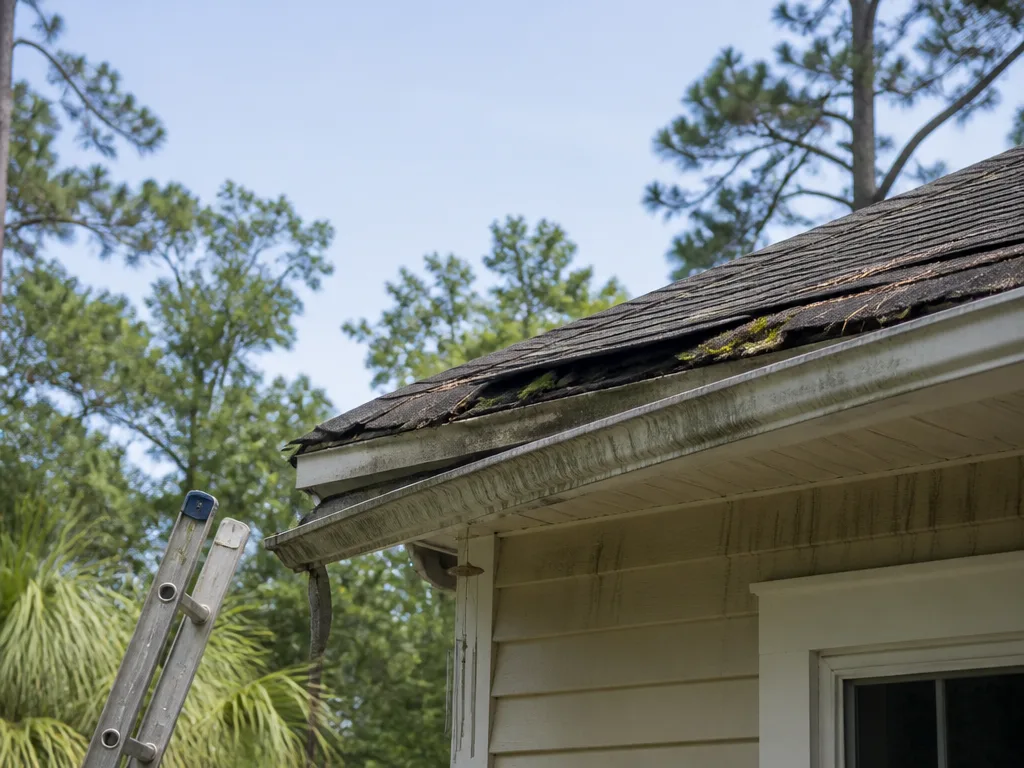
South Carolina homeowners experience frequent afternoon storms, wind, and seasonal temperature swings. Wind can lift shingles or loosen flashing around chimneys and vents. Over time, that creates channels for water entry. Look for lifted edges, curled tabs, or bare spots where granules have worn away. Pale, chalky patches on shingles indicate aging materials that should be evaluated by a roofer.
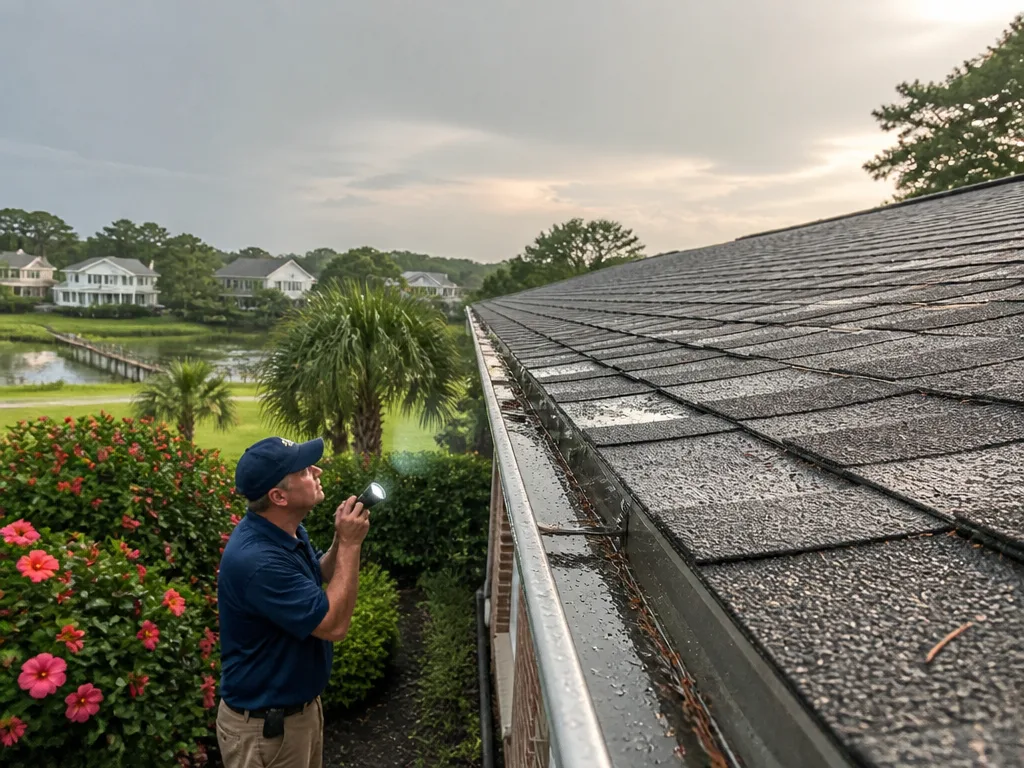
Consider gutter and flashing performance as part of your roof’s health. When gutters clog, water can back up and seep under shingles. If you notice staining on your soffit or fascia, or suspect ice damming in winter, it’s a signal to bring in a South Carolina Gutter Maintenance roofer for an inspection.
What to do if you spot a warning sign
Take clear photos of any problem areas from ground level and, if safe, from the attic. Keep a simple timeline of when you first noticed issues and any visible changes after storms. Call a local roofer for a no-pressure assessment. In South Carolina, we offer practical guidance and a clear plan for next steps, without high-pressure sales.
What a pro will check during an inspection
Our team looks at shingles, underlayment, flashing around vents and chimneys, and the condition of attic ventilation. We check for signs of moisture intrusion, wood rot, and outdated components that may not meet current standards. The goal is to identify what’s salvageable and what needs replacement, and to outline a reasonable timeline for action.
Simple checklist you can use
- Look for missing or curling shingles
- Check gutters for granules and backing up water
- Inspect attic for dampness or staining
- Notice any unusual odors or mold growth